


Moneybags

WRITING WAS ON THE WALL FOR HEALTHBEACON


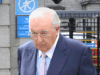
Jim Joyce

Jim Joyce


BACK IN January last year, Moneybags expressed concern about Jim Joyce’s medtech outfit, HealthBeacon, which had just floated off at €5.85 a share (see The Phoenix 14/1/22). Little more than 20 months later the company is in free-fall and its future is very unclear. A lot of small investors have been badly burned in the process and the exact cause of the disaster remains unclear.

On floating in December 2021, HealthBeacon was capitalised at circa €100m, big enough to attract most small and medium-sized investors. The Irish company has been focused on becoming a dominant international player in its niche area and garnered a reasonably wide shareholder base, with some interesting players coming on board.

After the float, these included Bill McCabe’s Oyster Capital (11.1%), Canaccord Genuity (10.7%), Elkstone (7.3%), Link CTI (3.3%) and Quorndon Capital (4.0%). A group of hapless Cantor Fitzgerald clients found themselves the biggest single stakeholder (under a client nominee account) with a chunky 11.2%. That stake had actually increased to 11.4% by the start of this year.

The company’s strategy was based on World Health Organization (WHO) information concerning the 50% of patients who fail to adhere to a prescribed long-term medication regimen, such as a home self-injection treatment like insulin for diabetes. The WHO estimated that 25% of all global hospitalisations were due to non-adherence or poor adherence to prescribed medication schedules.

HealthBeacon CEO Joyce and co-founder Kieran Daly (also chief technology officer) identified prescribed home self-injected prescriptions as an area they could target. Their idea was to link a disposal bin into which the injection syringe is dropped to sensors that recognise this event.

HEALTHBEACON

Among the issues highlighted to Phoenix readers was the fact that in the first half of 2021, immediately ahead of the flotation, losses accelerated to €2.6m, which was “a matter of concern”.
The base information document associated with HealthBeacon’s float claimed: “As at October 31, 2021, HealthBeacon has delivered c 13,500 connected devices.”

In the more detailed breakdown of this roll-out, however, the actual number of units “deployed” as of the end of December 2018 was 5,495 and by December 2020 the figure was actually 20% lower at 4,585. This unexpected fall-off was not explained.

The document went on to forecast that by the end of December 2021, it would have 10,200 units deployed – more than 3,000 less than the company claimed in its overview as having been deployed – while the target for the end of 2022 was a hefty 47,500 units (suggesting a potential €14m annual revenue run rate).

The news that the company effectively ran out of cash last month and also saw the exit of its founder, Joyce, has badly shaken many small investors, notably those investing via Cantor Fitzgerald, who are looking at an almost complete write-off.

It is difficult to know how many things went wrong but rapidly rising costs and what looks like a flawed roll-out of a direct-to-consumer venture in the US was a recipe for trouble.

Today it is still hard to make sense of HealthBeacon’s trading returns, which show revenue of €2.2m in 2021 but, instead of moving towards €14m as installations accelerated, turnover actually remained static last year at €2.2m, while operating expenses were up almost 75% from €7.8m to €13.4m, to push the group from an €8m loss in 2021 to a €13m loss in 2022.

As a result, the near €27m cash the HealthBeacon started out with in 2022 fell to €12m as of December 2022 after paying Joyce €450,000 remuneration – a very chunky salary for a company that lost as much money as HealthBeacon did last year.

Oddly, chairman Bob Garber, an American with 30 years’ experience in the healthcare venture capital business, was very optimistic at the time the company’s annual report was signed off on June 29 last. He advised: “The board of directors remains confident in the company’s strategic priorities, which include capturing the market for our products and expanding its commercial presence in the US.”

Given that this was only four months ago, Garber should have known that HealthBeacon was heading in the wrong direction. It is very hard to understand how the chairman could have taken such a positive view of the affairs of the company at the end of June this year.

In his CEO review, Joyce didn’t highlight what had gone wrong but did state: “Technology deployments increased to 14,800 on the back of new client wins and channel expansion.”
While this was a 48% increase on the year, it bears little relationship to the original forecast of deploying 47,500 units by December 2022.

Joyce went on to explain: “The 2% [increase in revenue] movement year on year reflected our lower guidance during the year as we navigated through disruption in our supply chain from early in 2022 and the delayed timing of our larger US Speciality Pharmacy launches, which shifted into 2023.”

EXPENSES

The dramatic slowdown in planned deployments would have been bad enough but the near doubling in operating expenses from €7.8m to €13.4m in a year of such roll-out disappointment looks grossly ill-advised.

Joyce did say: “The company invested extensively in its platform, team and supply chain in 2022.” You do not need an MBA to work out what happens when a company ramps up costs while suffering significant losses.

What is surprising is that instead of the expected dramatic increase in deployments and consequent jump in turnover, revenue in the first half of the current year to June 2023 remained static at just under €0.9m. As a result, HealthBeacon continued to lose money at an alarming rate, with a further €7m poured down the drain in the first six months of this year.

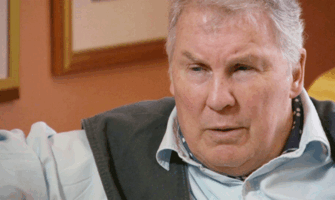
Mary Harney

Mary Harney

CASH BALANCES

This rate of cash burn inevitably had a disastrous effect on the group’s end of year cash balances, reducing these to under €2m as of end June 2023. Most disconcertingly, HealthBeacon’s end June annual revenue run rate was stuck a €2m as of the end of June this year – an awfully long way from the €14m run rate the company was expected to deliver by the beginning of 2023.

Certainly, HealthBeacon talks a good game, advising how it anticipates “partnering and launching its Injection Care Management System (ICMS) with four of the top five [American] speciality pharmacy organisations by the end of 2024. These launches will provide HealthBeacon access to over 60% of the US speciality injectable market.”

This certainly sounds impressive, as does a further reference in the first-half report to the announcement of the expansion of the Hamilton Beach partnership “to include the management of HealthBeacon supply chain, allowing the company to leverage Hamilton Beach’s procurement, distribution and fulfilment capabilities across the US. The partnership provides HealthBeacon with access to significant scale whilst also enabling efficiencies and positive working capital movement.”

Cleary, this was an overly optimistic assessment of the challenges faced in delivering the roll-out.

In the circumstances, it is hardly surprising that Joyce stood down on September 26 last, with American Rebecca Shanahan now in the hot seat. She is a lawyer by training but has had considerable experience in the medtech sector, having been CEO of Avella Speciality Pharmacy and, before that, an executive in Cardinal Health and Shoppers Drug Mart of Canada and is also a past president of the National Association of Speciality Pharmacy.

The writing was on the wall for some time in the run up to last week’s examinership, given that at the end of September HealthBeacon had only €0.5m in cash and a burn rate of over €1m per month for the first half of this year. The decision by Dublin’s Euronext stock market to suspend share trading was the only option.

This turn of events will have come as quite a shock to the unfortunate investors who piled into the float at the end of 2021. It is hardly good news either for the board, which includes former health minister Mary Harney, who has been spreading here wings in the private health sector since exiting politics. At least she picked up €48,000 last year in fees but her 16,000 shares in HealthBeacon, valued at almost €100,000 at the start of last year, now look worth less than €20,000.

HealthBeacon has lined up a €1.85m loan from US partner Hamilton, which will facilitate the examinership process and allow the company to continue operating. Its future, if it survives, now looks set to be in the hands of the Yanks and represents another blow to Dublin’s stock market.


Reference the Market Abuse Regulations 2005, nothing published by Moneybags in this section is to be taken as a recommendation, either implicit or explicit, to buy or sell any of the shares mentioned.

I'm a Subscriber

Related Articles: